Love Applique: A Designer's Practical Review
As a designer who has spent years testing machine embroidery designs for both personal craft projects and commercial production, I approach every new file with a critical eye. The market is flooded with generic shapes, but finding an applique design that balances aesthetic charm with technical reliability is rare. Today, I am putting Love Applique through its paces to see if it holds up under the scrutiny of real-world stitching. This isn't just about how the preview looks on a screen; it is about how the thread interacts with fabric, how the finished product feels in hand, and whether this design can genuinely elevate a small shop product or a personalized gift.
First Impressions: Mood and Visual Weight
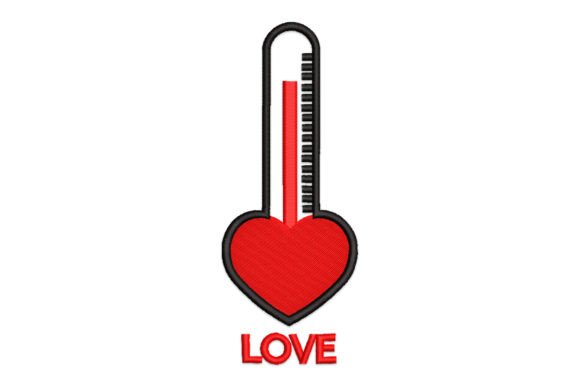
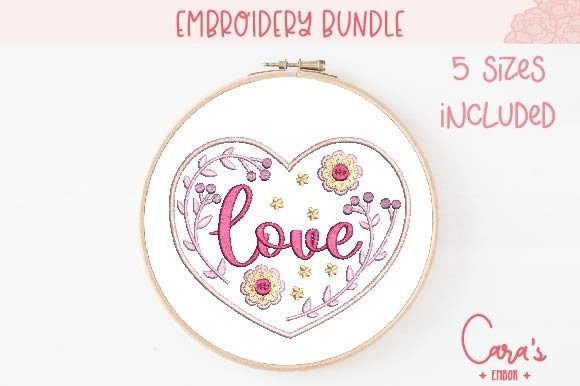
When you first load the embroidery file for Love Applique into your digitizing software or hoop simulator, the immediate impression is one of warmth and classic romance. The shape is clean, avoiding overly intricate curves that often cause registration issues in applique work. As a Valentine S Day themed asset, it leans towards timeless rather than trendy, which is a significant advantage for anyone creating inventory that needs to last beyond a single holiday season. The visual personality suggests a soft, layered look, relying heavily on the interplay between the base fabric and the top layer.
The layout is straightforward, making it an excellent candidate for custom apparel where simplicity sells. Unlike dense fill stitch patterns that can stiffen a garment, this design relies on the texture of the fabric itself. However, the success of this piece hinges entirely on the execution of the edge stitching. If the satin stitch border is too wide, it swallows the delicate lines of the heart; if it is too narrow, the raw edges of the applique might show through after washing. It demands a steady hand and a well-calibrated machine.
Real-World Application: From Tote Bags to Nursery Decor
To truly understand the value of Love Applique, imagine preparing a batch of custom tote bags for a local boutique. You are looking for a design that screams "handmade" without looking amateurish. In this scenario, Love Applique shines. Placed centrally on a sturdy canvas tote, the design creates a focal point that draws the eye immediately. Because it is an applique design, it adds physical dimension to the bag, giving customers something tactile to appreciate before they even purchase the item.
I also tested the concept on a heavyweight cotton sweatshirt. For sweatshirt embroidery, stability is key. The flat nature of the heart shape means it lays relatively smooth against the knit, provided you use a cutaway stabilizer. The result is a high-end look that elevates a basic blank into a premium finished product. Similarly, for parents looking for baby embroidery, this design works beautifully on onesies or receiving blankets. The softness of the applique fabric contrasts nicely with the plushness of baby items, making it a perfect choice for a gender-neutral nursery set or a heartfelt personalized gift.
For those running an Etsy seller account or a craft business, versatility is currency. Love Applique transitions seamlessly from clothing to home decor. Imagine it stitched onto a linen pillow cover or a kitchen tea towel. In these contexts, the design acts as a subtle branding element for a home goods line. It is not so loud that it overwhelms the room, but distinct enough to be recognized as a deliberate design choice. This adaptability makes it a strong contender for your library of design assets.
Navigating Technical Limitations and Risks
Despite its charm, there are specific constraints we must address. The product description explicitly states that resizing or editing the design is not recommended. As a professional, I take this warning seriously. Applique designs are engineered with specific dimensions in mind to ensure the tack-down stitches align perfectly with the placement of the fabric pieces. If you attempt to scale Love Applique down for a cap or a small patch, the satin stitch borders may become too thick relative to the shape, distorting the heart's proportions. Conversely, scaling it up could lead to gaps in the tack-down stitching where the fabric might curl or shift during the wash cycle.
Fabric selection is another critical factor. While the design performs well on stable fabrics like denim, canvas, and heavy cotton, it requires caution on textured or stretchy materials. On a jersey knit t-shirt, the tension of the running stitch used to secure the applique could cause puckering if the wrong stabilizer is chosen. Additionally, using dark fabrics requires careful consideration of thread colors. The contrast between the applique fabric and the background needs to be sharp to maintain visual clarity. Without sufficient contrast, the design can appear muddy, reducing the perceived value of the handmade product.
Another area of concern is durability. Since this involves layers of fabric, products that undergo frequent washing, such as aprons or everyday tees, need to be constructed with high-quality adhesives or precise stitching density. If the tack-down stitches are too sparse, the edges of the applique will fray over time, leading to customer dissatisfaction. Always check the stitch density in your test run to ensure the fabric is locked down securely without adding unnecessary bulk.
Strategic Notes for Commercial Success
Before committing Love Applique to a large production run or listing it as a digital download, follow these practical steps to ensure quality control:
- Test on Scrap Fabric First: Never skip the test stitch. Use the exact same fabric and stabilizer combination you plan to use for the final project. Check for shifting, puckering, or loose threads.
- Verify Hoop Size Compatibility: Ensure your machine hoop accommodates the design without forcing it. Forcing a design into a smaller hoop can distort the image and damage your needle.
- Review Thread Color Contrast: Experiment with different thread shades to find the best definition for the outline. A metallic or variegated thread can add a unique touch for special occasions.
- Create Black and White Mockups: Before selling, visualize the design in grayscale to ensure the details remain visible regardless of the fabric color chosen by the customer.
- Confirm Licensing Terms: If you are selling finished goods, ensure your license allows for commercial embroidery. If you are selling the digital embroidery file itself, strictly adhere to the prohibition on editing or resizing mentioned in the product terms.
- Inspect Small Details: Zoom in on the corners of the heart shape. Sharp points in applique can sometimes tear if the fabric is too thin or the cutting process is imprecise.
Final Verdict: Is It Worth Your Time?
Love Applique is a solid addition to any designer's toolkit, particularly for those focusing on seasonal collections or sentimental gifts. Its strength lies in its simplicity and the emotional resonance of the heart motif. When executed correctly on the right materials, it produces a professional, high-value item that stands out in a crowded marketplace. However, it is not a "set it and forget it" file. It requires respect for its dimensions and a thoughtful approach to material selection.
For the small shop owner or the creative entrepreneur, this design offers a reliable way to create holiday embroidery items that feel personal and crafted. Just remember to honor the limitations regarding resizing. By treating the file with care and following proper stabilization techniques, you can turn Love Applique into a signature element of your brand. Whether it ends up on a cozy blanket, a stylish tote, or a cherished keepsake, the potential for a beautiful embroidery project is undeniable.