Love Thermometer: A Seasonal Embroidery Review
As an embroidery designer who has spent years curating collections for the holiday rush, I know that timing and emotional resonance are everything. When a new machine embroidery design hits my desk, especially one titled Love Thermometer, I immediately begin evaluating its potential for the upcoming Valentine's Day season. This isn't just about stitching a pattern; it is about understanding how a specific motif can transform a blank fabric into a desired handmade gift. The Love Thermometer design promises whimsy and charm, two essential ingredients for successful seasonal sales. In this review, I will break down how this design performs in real-world scenarios, from Etsy shop listings to craft fair displays, helping you decide if it belongs in your next product drop.
First Impressions: Mood, Style, and Festive Appeal
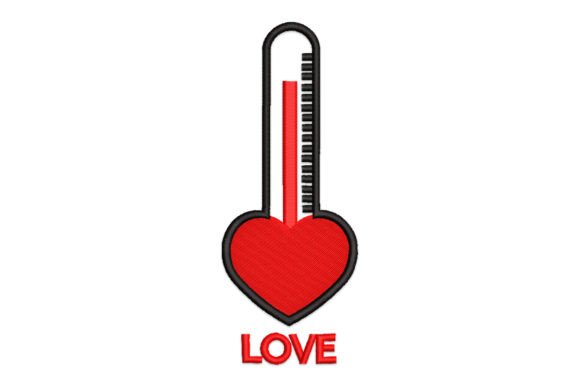
The moment I load the digital embroidery file for Love Thermometer, the visual tone becomes clear. It exudes a playful yet romantic energy that fits perfectly within the Valentine's Day category. Unlike overly intricate designs that can get lost on busy fabrics, this piece balances detail with clarity. The concept of a "thermometer" filled with love offers a clever narrative hook for buyers looking for something beyond standard hearts and Cupids. It feels cozy and nostalgic, evoking the warmth of home decor while maintaining enough modern flair to appeal to younger shoppers.
For a small business owner or an Etsy seller, the emotional tone of a design dictates its sellability. Love Thermometer strikes a chord that suggests affection without being cliché. It works well as a standalone statement or as part of a larger collection. Whether you are planning a limited edition apparel line or creating personalized gifts for family, the whimsical nature of this design ensures it stands out in a crowded marketplace. The decorative style is versatile enough to be interpreted as cute for baby items or elegant when paired with high-quality threads on premium linens.
Real-World Applications for Holiday Products
When building a seasonal shop collection, versatility is key. The Love Thermometer design shines across various substrates, making it a strong candidate for a multi-product launch. Here is how I envision integrating this embroidery file into a comprehensive Valentine's Day lineup:
- Sweatshirt Embroidery: Placing this design on the left chest of a crewneck sweatshirt creates an instant classic look. It pairs beautifully with neutral tones like heather grey or cream, allowing the thread colors to pop. This is a top-seller for couples matching outfits or family pajama sets.
- Kitchen Towel Embroidery: Home decor is a massive driver for holiday sales. Stitching Love Thermometer onto cotton kitchen towels adds a touch of humor and warmth to the kitchen. These make excellent hostess gifts or additions to a bridal registry.
- Pillow Covers: For those selling home goods, a pillow cover featuring this design adds a focal point to a sofa or bed. Using a contrasting background fabric can make the thermometer element truly stand out.
- Tote Bag Design: Canvas tote bags are practical and popular. This design transforms a simple utility item into a fashion statement for grocery shopping or beach trips, perfect for the "spread the love" vibe of February.
- Embroidered Patches: Creating patches allows you to sell the design as a DIY kit or apply them to denim jackets and backpacks. This extends the life of the design beyond single-use items.
- Baby Items and Aprons: The whimsical nature of the design makes it suitable for baby bibs or nursery decor, as well as aprons for the home cook.
In a craft fair setting, displaying these finished products together creates a cohesive brand story. A table featuring matching sweatshirts, pillows, and towels all bearing the Love Thermometer motif signals a professional, curated collection that builds customer trust and encourages multiple purchases.
Technical Considerations and Fabric Challenges
While the aesthetic appeal is high, every experienced designer knows that execution is where success is won or lost. There are specific areas where the Love Thermometer design requires careful handling to ensure a flawless finished product.
Hoop Size and Density: Before committing to a production run, you must confirm the required hoop size. If the design includes fine details like the markings on the thermometer or small text, using a hoop that is too large can cause shifting, while one that is too small may cut off elements. Always check the stitch density. High-density areas might require a heavier stabilizer to prevent puckering, especially on thick towels or heavy canvas.
Fabric Texture and Color: The description mentions towels and pillows, which often have textured surfaces. On looped terry cloth, the needle must penetrate deeply, so testing is crucial. Similarly, if you plan to use metallic thread to highlight the mercury in the thermometer, be aware that metallics can snag on rough fabrics. For dark fabrics, a tear-away or cut-away stabilizer is non-negotiable to support the stitches and maintain definition.
Stretchy Garments and Caps: If applying this design to stretchy garments like leggings or curved caps, the stability of the base fabric becomes critical. Without proper hooping techniques and stabilizers, the design may distort after washing. Always test wash a sample to ensure the stitches hold up against repeated laundering, a common concern for customers buying handmade goods.
Maximizing Seasonal Sales and Brand Consistency
The impact of Love Thermometer goes beyond the physical stitch; it influences buyer emotion and perceived value. During the holiday shopping period, visual recognition is vital. A unique, memorable design helps your shop stand out in search results and social media feeds. By creating realistic mockups and printable promotional graphics, you can showcase the design on various backgrounds before you even stitch the first one.
For an Etsy seller or small shop product creator, offering a personalized gift option can significantly increase average order value. Imagine allowing customers to add names or dates near the Love Thermometer. This customization turns a generic item into a cherished keepsake. Furthermore, ensuring your color palettes match current trends—such as dusty roses, deep reds, or soft pastels—can boost engagement on platforms like Instagram and Pinterest.
Designer Notes for Professional Execution
To ensure your commercial embroidery venture succeeds with this design, follow these practical steps:
- Test Thread Colors: Always run a test on both light and dark fabrics. The contrast between the thermometer fill and the background determines readability.
- Verify Licensing: Before selling any finished seasonal products, confirm the commercial licensing terms of the digital embroidery file. Ensure you have the right to sell items made with this design.
- Review Small Details: After stitching a sample, inspect the design under good lighting. Check for skipped stitches or loose threads, particularly in the finer lines of the thermometer scale.
- Plan Your Stabilizer Strategy: Match your stabilizer to the fabric weight. Do not skimp here, as poor stabilization ruins even the best designs.
- Create Mockups Early: Use software to generate printable mockups for your marketing materials. This helps customers visualize the final product on their own homes or wardrobes.
The Love Thermometer design offers a delightful opportunity to capture the spirit of Valentine's Day. By understanding its technical requirements and leveraging its emotional appeal, you can create a standout collection that resonates with holiday shoppers. Whether you are decorating a single pillow or launching a full line of holiday embroidery products, this design provides the whimsical charm needed to turn fabric into a memory.