Heart Hanging: A Designer's Review for Real Projects
When I first pulled up the Heart Hanging file on my screen, I wasn't just looking at a digital shape; I was visualizing the texture of the thread and the drape of the final fabric. As someone who has spent years curating designs for both personal craft projects and commercial small business lines, I know that a design looks different on a monitor than it does stitched into cotton or fleece. This particular machine embroidery design promises to be a staple for Valentine's Day arts and crafts, but does it hold up under the scrutiny of a professional designer preparing a high-quality handmade product? Let's dive into how this embroidery file actually performs in the real world.
The Visual Personality and First Impression
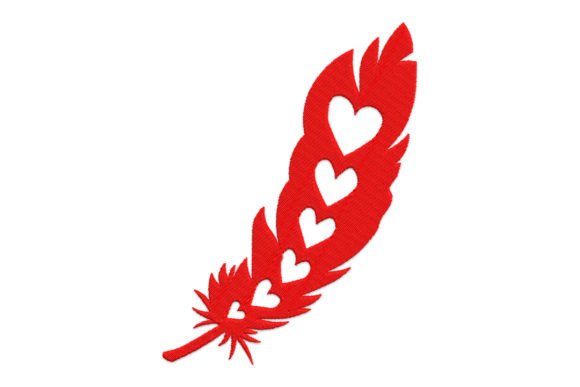
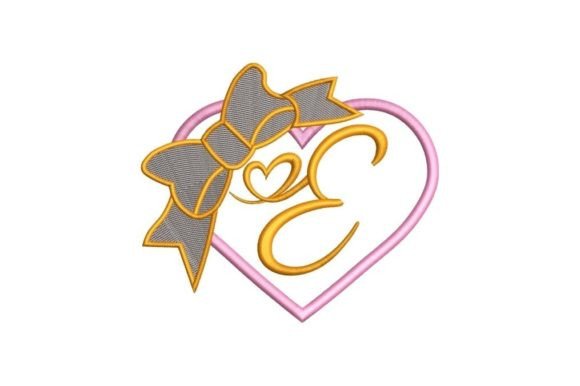
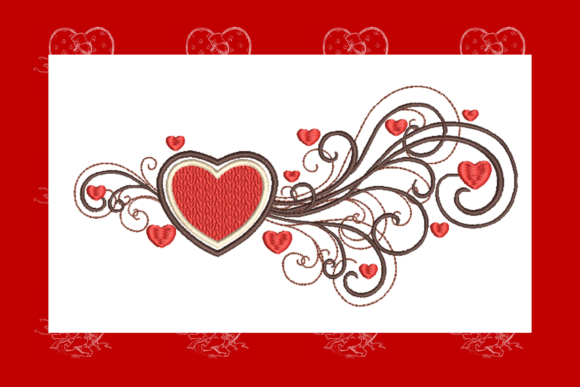
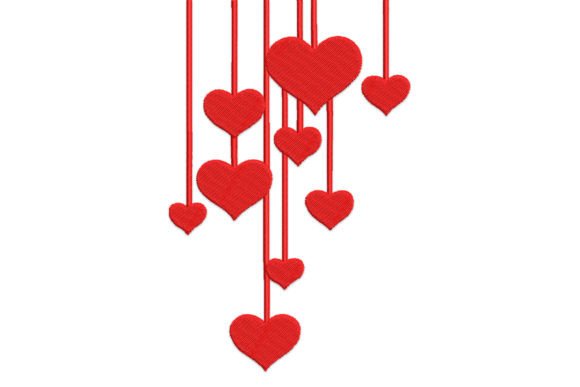
The immediate mood created by Heart Hanging is one of classic warmth with a touch of modern simplicity. It doesn't rely on overly complex gradients or microscopic details that often get lost during stitching. Instead, it leans into strong outlines and balanced shapes. For an Etsy seller or a boutique owner, this clarity is crucial. When customers scroll through a shop, they need to instantly recognize the design intent. The layout suggests a hanging ornament or a focal point for home decor, making it versatile enough for both apparel and soft goods.
In terms of visual personality, the design feels approachable yet polished. It avoids the cluttered look that plagues many free digital embroidery files. The balance between what appears to be satin stitch borders and fill stitch centers creates a nice textural contrast. This is exactly the kind of detail that elevates a simple tote bag design into something worth purchasing as a premium gift. If you are planning to use this for Valentine S Day merchandise, the clean lines ensure that the message of love comes across without visual noise.
Real-World Application: From Tote Bags to Nursery Decor
To truly test a design, I always imagine specific scenarios where it will be used. Picture a custom embroidered tote bag made from heavy-duty canvas. Placing Heart Hanging on the front pocket or center panel would create a striking focal point. The design's structure seems robust enough to handle the slight give of canvas without distorting. Now, shift the scene to a cozy nursery. Imagine this design stitched onto a plush pillow cover or a baby blanket using soft pastel thread colors. The gentle curves of the heart shape translate beautifully to baby embroidery, offering a timeless aesthetic that parents love for personalized gifts.
I also see significant potential here for custom apparel. Think about a heavyweight sweatshirt where this design is placed on the chest or back. Because the design appears to have defined edges, it would likely stand out well against dark fabrics, provided the right color palette is chosen. For a small shop product line, such as a collection of holiday-themed aprons, Heart Hanging could serve as a charming logo or decorative accent near the hem. The versatility allows it to function as a standalone statement piece or as part of a larger composition involving other design assets.
For those selling commercial embroidery services, this file offers a reliable option for quick-turnaround orders. Whether it's a rush order for a wedding favor, a batch of patches for a local charity event, or a limited-run holiday collection, the design's straightforward nature means fewer setup headaches and less risk of machine errors during production.
Navigating Fabric Challenges and Stitching Nuances
While Heart Hanging looks promising, every experienced designer knows that success depends on matching the design to the right medium. There are specific situations where caution is required. If you plan to use this on very thin or stretchy fabric, like a lightweight t-shirt jersey, the density of the stitches could cause puckering. In these cases, using a heavy-duty stabilizer becomes non-negotiable. You might even consider backing the area with tear-away stabilizer to maintain the shape of the heart without distorting the garment.
Texture is another factor. On highly textured fabrics like chenille or thick towels, smaller details within the design might not register as clearly. Since this design is intended for items like tea towels and pillows, it is essential to verify that the inner details remain distinct against the pile of the fabric. Similarly, if you are considering this for curved surfaces like caps, ensure the hoop size accommodates the curve without flattening the design too aggressively. The corners of the heart shape should be inspected closely; tight curves can sometimes lead to thread breakage if the stitch density is too high for the needle speed.
Dark fabrics present their own challenge. While the design works well on light backgrounds, placing it on black or navy requires careful selection of thread colors to ensure visibility. A white or bright red outline might be necessary to make the design pop. Always review your printable mockup in grayscale to check the contrast before committing to expensive thread spools.
Practical Notes for Designers and Makers
Before you commit to selling finished products featuring Heart Hanging, there are a few critical steps to take. First, always test the design on scrap fabric that matches your final material. This "test run" allows you to adjust tension, check for skipped stitches, and verify that the running stitch elements hold up under stress. Second, confirm the licensing terms. Just because you bought an embroidery file doesn't automatically mean you can sell unlimited physical goods. Ensure your license covers commercial embroidery and the volume of items you intend to produce.
Check the recommended hoop size against your actual machine capabilities. If the design requires a 5x7 hoop but you only have a 4x4 available, you may need to resize it, which can alter the stitch density and compromise quality. Additionally, inspect the small details after stitching. Are the corners sharp? Is the fill solid? These nuances determine whether a customer perceives the item as a professional handmade product or a rushed job.
Finally, think about the end-user experience. Will the design survive frequent washing? For items like kitchen towels or children's clothes, durability is key. If the design relies heavily on delicate satin stitches, it might snag over time. Reinforcing the edges or choosing a slightly thicker thread can add longevity. By taking these practical steps, you ensure that Heart Hanging delivers on its promise of adding a cool, heartfelt touch to your projects.
Final Thoughts on Value and Appeal
In the competitive world of craft business and online marketplaces, the difference between a good sale and a great one often comes down to presentation. Heart Hanging offers a solid foundation for creating high-value items. Its clean aesthetic boosts buyer engagement and trust, signaling that the maker cares about quality. Whether you are a hobbyist making a unique personalized gift or a seasoned entrepreneur building a brand around holiday embroidery, this design fits naturally into a portfolio of thoughtful, well-executed work.
It bridges the gap between simple decoration and meaningful art. When stitched correctly, it adds a layer of professionalism to any finished product, enhancing the perceived value of your small shop product line. So, while you should always do your due diligence regarding fabric choice and technical settings, Heart Hanging stands out as a reliable, versatile asset for anyone looking to bring a bit of love and craftsmanship into their next project.