Cute Macarons Embroidery Design Review
As an experienced embroidery designer preparing for the upcoming weekend craft fair, I am constantly evaluating new digital assets to see if they translate well from a screen to a physical product. Today, I am reviewing Cute Macarons, a machine embroidery design in the Dessert category. When you are setting up a booth with limited space and high competition, every design must earn its place on your production table. This review focuses on whether this specific file is ready for batch production, how it performs on various handmade products, and what practical steps you need to take to ensure your finished goods look premium.
First Impressions: A Sweet Accent for Your Booth
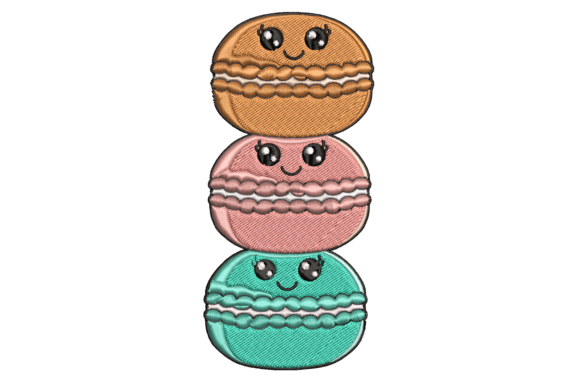
The first time I loaded the Cute Macarons file into my software, the aesthetic was immediately clear. It leans heavily into the "cute" and "soft" vibe that dominates many successful handmade shops. Unlike bold, graphic designs or rustic farmhouse styles, this design feels delicate and inviting. For a craft fair product, this is a double-edged sword; while it may not scream for attention from twenty feet away like a large monogram, it excels as a charming accent that draws customers closer to inspect the details. The description promises to give fabrics an extraordinary look, and visually, the pastel color palette implied by macarons suggests a fresh, modern appeal that fits well with spring and summer collections.
However, as a designer, I know that "adorable" can sometimes mean "too small" or "lacking contrast." Before committing to a full run of products, I assess whether the design has enough visual weight to stand out against busy fabric textures. The Cute Macarons design appears to be structured as a cluster or a single focal point, which makes it versatile but requires careful placement to ensure it doesn't get lost.
Product Versatility: Where Does It Sell Best?
When planning my inventory for the market, I evaluate how a design translates across different substrates. Here is my breakdown of where Cute Macarons performs best as a commercial embroidery product:
- Tote Bag Design: Placing this design on a canvas tote bag works exceptionally well. The flat surface allows the stitch definition to remain crisp. A small cluster of macarons near the bottom corner acts as a perfect brand stamp without overwhelming the bag's utility.
- Tea Towel Embroidery: Kitchen linens are a staple for Etsy sellers. This design fits the theme perfectly. However, because tea towels have a looped texture, the stitch density needs to be sufficient to prevent the fabric loops from showing through the satin stitches.
- Apron Embroidery: For a chef's apron or a home cook's gift, this adds a whimsical touch. I recommend placing it on the bib area or the pocket. It creates an instant conversation starter at a booth.
- Embroidered Patch: If you are selling patches separately, this design is ideal. It captures the "Dessert" theme perfectly and can be ironed onto denim jackets, backpacks, or hats. Just ensure the backing stabilizer is strong enough to support the patch edges.
- Fabric Pouches and Caps: Small cosmetic pouches benefit from this compact design. On caps, the curved surface might distort the shape slightly, so testing is crucial to ensure the macarons don't look squashed.
- Pillow Covers: As a small accent on a larger pillow cover, it adds a boutique feel. It avoids the cluttered look of large all-over prints and maintains a clean, modern aesthetic.
Production Realities: Stitch Density and Fabric Texture
While the concept is sweet, the execution determines the profit margin. One of the primary concerns with dessert-themed designs is the potential for dense stitch areas. Macarons often feature ruffled edges (the "feet"), which require tight satin stitching. If the Cute Macarons file has too many stitches packed into a small area, it can cause puckering on lightweight fabrics like cotton lawn or linen.
Furthermore, tiny details are a risk. If the design includes very small lettering or intricate piping lines, these may disappear when embroidered on textured towels or thick fleece. As a rule of thumb, if you cannot clearly distinguish the details on a printed mockup at 100% scale, they will likely fail in the actual embroidery. I always advise checking the thread colors against the fabric background. Pastel threads on white fabric can sometimes lack the necessary contrast to pop in photos, which is critical for online listings and printable mockups.
Practical Designer Notes for Success
To ensure your Cute Macarons project succeeds, follow these essential steps before you start your production run:
- Test on Scrap Fabric: Never skip this step. Run the design on the exact type of fabric you intend to sell. Check for puckering and ensure the stabilizer holds the tension correctly.
- Check Thread Contrast: If using light pink or blue threads, test them on cream, beige, and white fabrics. Sometimes a darker outline or a contrasting bobbin thread helps define the shape.
- Review Spacing and Hoop Size: Confirm that the hoop size required matches your machine capabilities. If the design is meant to be small, ensure your machine can handle the precision required for such a compact area.
- Inspect Stitch Density: Look for areas where the needle hits the same spot repeatedly. These areas may tear thin fabrics or cause thread breakage during long production runs.
- Create Real Mockups: Photos of the digital file are not enough. Create at least one real sample to photograph. Customers want to see how the thread sheen interacts with the fabric texture.
- Confirm Commercial Licensing: Before selling any finished product, verify your license terms. Ensure you are allowed to sell items made with this digital embroidery file at craft fairs and on platforms like Etsy.
Visual Appeal and Customer Engagement
In a crowded marketplace, visual appeal drives sales. Cute Macarons offers a high level of perceived value because it taps into the universal love for sweets and pastries. It feels like a thoughtful, handmade gift rather than a mass-produced item. When displayed on a tiered stand alongside other small shop products, the soft colors create a cohesive and calming section of the booth that invites browsing.
This design also enhances brand consistency. If your shop specializes in kitchen goods or cute accessories, this file reinforces that identity. It signals to the buyer that you understand their aesthetic preferences. However, remember that the design is only as good as the finish. Loose threads, uneven hooping, or poor fabric choice can ruin the premium feel. The goal is to make the customer think, "I want this on my kitchen towel," not "That looks a bit messy."
Final Verdict for Craft Fair Sellers
The Cute Macarons machine embroidery design is a strong contender for your next collection, provided you manage the technical details carefully. It is not a "set it and forget it" file; it requires attention to stabilizer choice and thread selection to maintain its delicate charm. For the Etsy seller or boutique maker looking to expand their catalog with seasonal or evergreen items, this design offers excellent versatility. It works beautifully as a small accent on tote bags, a focal point on aprons, or a charming detail on patches.
If you are ready to produce, start with a small batch. Test the design on your most popular fabric types, take high-quality photos of the finished product, and monitor customer reactions at your next market. With proper execution, this adorable embroidery will give your fabrics an extraordinary look and become a staple in your handmade product line. Remember, the difference between a good sale and a great one often lies in the quality of the stitching and the thoughtfulness of the presentation.