Crowned Number Nine: A Designer's Practical Review
As a designer who has spent years navigating the delicate balance between digital files and physical thread, I approach every new machine embroidery design with a critical eye. We are not just looking for something that looks good on a screen; we are hunting for a file that will translate flawlessly into a tangible, high-quality finished product. When I first opened the preview for Crowned Number Nine, my immediate reaction was one of cautious optimism. The concept is classic: a numeral elevated by regal flair. But in the world of custom apparel and handmade goods, execution is everything. Does this design hold up under the scrutiny of real-world stitching, or is it another pretty picture that falls apart in the hoop?
The Visual Personality of Crowned Number Nine
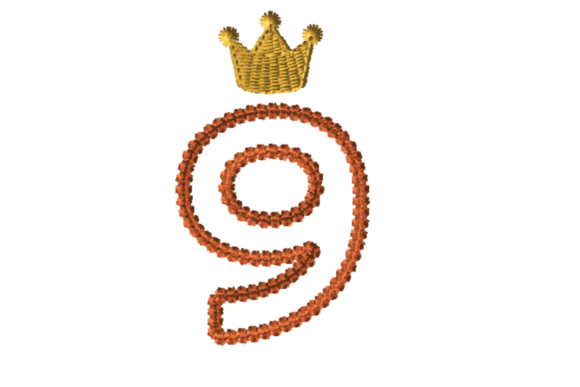
At first glance, Crowned Number Nine exudes a celebratory yet sophisticated mood. It is clearly positioned within the Birthdays category, but its aesthetic suggests it could easily transcend a simple milestone marker to become a brand asset for a boutique nursery line or a personalized gift shop. The crown element adds a necessary vertical weight to the number, preventing the "9" from feeling top-heavy or unbalanced. This visual equilibrium is crucial when placing the design on curved surfaces like caps or the rounded shoulders of a sweatshirt.
The layout appears to rely on a mix of fill stitch for the body of the number and likely satin stitch for the crown details to create texture and shine. This combination is effective for creating depth without overwhelming the fabric. However, as someone who has seen too many designs fail due to excessive density, I am always wary of how the satin stitches interact with the fill. If the transition between these two stitch types is abrupt, it can lead to puckering, especially on lighter fabrics. The visual personality here is playful but structured, making it an excellent candidate for custom apparel where a touch of whimsy is required without sacrificing professionalism.
Real-World Application: From Screen to Stitch
To truly evaluate Crowned Number Nine, I need to imagine it in action. Picture a client requesting a commemorative tote bag for their child's ninth birthday party. They want something that stands out among generic printed bags. In this scenario, using this embroidery file transforms a standard canvas tote into a premium, tactile item. The texture of the thread catches the light differently than ink, giving the handmade product an immediate value proposition that justifies a higher price point for an Etsy seller or small shop owner.
Consider another use case: a personalized baby blanket or a set of kitchen towels for a 9th anniversary gift. Here, the design needs to be durable. If the stitch density is managed correctly, Crowned Number Nine will withstand repeated washing without fraying. For a craft business focusing on holiday gifts, this design offers versatility. It can be stitched onto dark denim for a rugged look or light cotton for a soft, nursery-appropriate feel. The key lies in how well the design adapts to different thread colors and fabric textures.
I also see potential for this design as an embroidered patch. By adding a merrow border (if the file supports it) or stitching it onto a felt backing, you create a modular asset that can be sold separately or applied to jackets, backpacks, and hats. This flexibility makes it a valuable addition to your library of design assets, allowing you to pivot quickly between product lines without needing entirely new artwork.
Navigating Technical Challenges and Limitations
While the concept is sound, practical application requires vigilance. One of the primary concerns with any number-based design featuring intricate details like a crown is the hoop size. You must confirm that the dimensions of Crowned Number Nine fit comfortably within your machine's frame. If the design is too large for a standard 4x4 hoop, you may have to split the stitching, which risks misalignment and visible registration errors.
Furthermore, the placement on stretchy fabrics like jersey knit or thin materials like chiffon demands careful consideration. Without the proper stabilizer, the tension from the dense areas of the crown could cause the fabric to pucker or warp. I always recommend testing the design on scrap fabric first, mimicking the actual material you intend to use. Check the back of the stitching; if there is excessive thread buildup, the finished product will feel stiff and uncomfortable against the skin, which is a dealbreaker for baby embroidery projects.
Dark fabrics present another challenge. If the design relies heavily on light-colored threads for the crown details, you may need a tear-away stabilizer underneath to prevent show-through. Conversely, on very textured fabrics like corduroy or heavy fleece, the fine details of the crown might get lost in the weave. In such cases, simplifying the color palette or increasing the stitch width slightly can improve visibility. Always inspect small details and tiny lettering closely; if the crown features jewels or fine points, they might require a smaller needle size to execute cleanly.
Strategic Value for the Creative Entrepreneur
For the small business owner or digital product seller, the true value of Crowned Number Nine lies in its ability to enhance customer trust and brand consistency. A well-executed embroidery project signals quality. When a customer receives a personalized gift with crisp, clean stitching, their perception of your brand elevates instantly. This design, when used correctly, acts as a subtle marketing tool, encouraging repeat business and social media shares.
However, before integrating this into your commercial workflow, you must verify the licensing terms. Ensure that the commercial embroidery rights allow you to sell finished items and, if applicable, resell the digital embroidery file itself. Using a design without the proper license can jeopardize your entire craft business. Additionally, consider creating printable mockups to showcase how the design looks on various products before committing to production. This helps manage customer expectations and reduces return rates.
Final Designer Notes for Success
- Test First: Always run a test stitch on a similar fabric to check for puckering and thread breakage.
- Stabilize Properly: Use cut-away stabilizers for stretchy knits and tear-away for woven fabrics to ensure longevity.
- Color Contrast: Select thread colors that pop against your fabric background to maximize visual impact.
- Hoop Alignment: Ensure the design is centered and taut in the hoop to maintain symmetry, especially for the crown elements.
- Licensing Check: Confirm you have the right to use the design for commercial embroidery projects and sales.
In conclusion, Crowned Number Nine is a promising addition to any embroidery collection, provided it is handled with technical care. Its blend of festive charm and structural integrity makes it ideal for Birthday celebrations, nursery decor, and boutique merchandise. By paying attention to stitch density, fabric choice, and stabilization, you can turn this digital file into a standout physical product that delights customers and strengthens your brand. As with any great design, the magic happens not just in the file, but in the hands of the maker who understands how to bring it to life.