Rugby Player Winning: A Designer's Review
As I set up my table for the upcoming weekend craft fair, the air is thick with the scent of fresh fabric and the hum of anticipation. My booth needs to tell a story immediately. Shoppers walk by in a blur, scanning for items that catch the eye and speak to their passions. Today, I am evaluating a new machine embroidery design titled Rugby Player Winning. The goal is simple: determine if this Sports themed asset will be a bestseller on my handmade products or if it belongs back in the digital folder.
First Impressions: Power Meets Precision
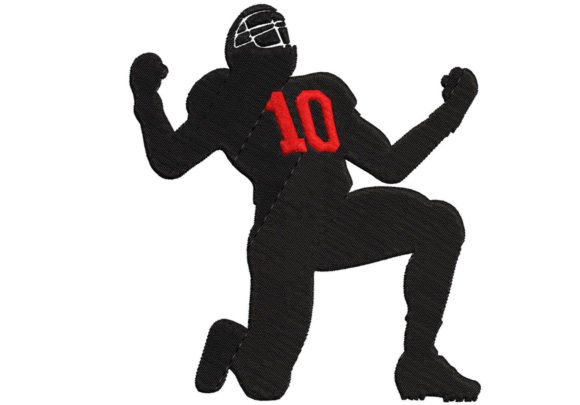
When I first loaded the embroidery file into my software, the visual impact was immediate. This is not a whimsical or cute design; it is bold, aggressive, and undeniably strong. The description promises to capture the "strength and intensity of the game," and upon closer inspection, the digitization delivers exactly that. The lines are confident, and the posture of the player suggests motion and dominance. For a craft fair crowd looking for gifts for athletes, coaches, or die-hard fans, this design hits the right emotional note. It feels premium rather than generic, which is crucial when competing against mass-produced items at local markets.
The aesthetic leans heavily into the modern Sports category. It lacks the rustic or farmhouse charm of floral designs, but that is its strength. In a sea of soft pastels and botanical prints, a high-contrast, action-oriented image like Rugby Player Winning stands out as a statement piece. It signals energy and victory, making it an excellent candidate for gift-giving scenarios where the buyer wants to celebrate an achievement or show team spirit.
Product Suitability: Where Does It Shine?
The true test of any digital embroidery file is how it translates across different substrates. As I plan my inventory, I am considering several product types to maximize the potential of this design.
- Tote Bags: A large canvas tote bag is arguably the perfect home for Rugby Player Winning. The flat surface allows the full detail of the player to shine without distortion. Using a dark navy or charcoal background with white and gold thread colors would create a striking contrast that draws customers from across the aisle.
- Embroidered Patches: For those who want to customize existing gear, creating an embroidered patch version is essential. Rugby fans love to add patches to denim jackets, backpacks, or beanies. The design's defined edges make it ideal for appliqué-style backing or satin-stitch borders.
- Caps and Hats: Placing this design on a curved cap surface requires careful consideration. While the upper chest area of a jersey works well, a baseball cap might compress the details slightly. However, if positioned correctly on the front panel, the "winning" pose remains legible and impactful.
- Aprons and Tea Towels: While less traditional for sports themes, an apron embroidery or tea towel embroidery featuring a rugby player could appeal to parents cooking for game day. It adds a fun, thematic touch to kitchen textiles, turning them into conversation starters.
- Pillow Covers and Small Pouches: For smaller items, the design must be scaled carefully. On a pillow cover, it serves as a focal point for a man cave or game room. On small fabric pouches, it acts as a compact accessory for carrying keys or cards.
Visual Appeal and Customer Engagement
In the context of a craft fair product, visual clarity is king. Customers do not have time to squint at intricate details. Rugby Player Winning succeeds because the silhouette is clear even from a distance. When displayed on a finished product, such as a hanging tote bag or a stacked pile of caps, the design creates a sense of movement that static images often lack.
This visual strength directly impacts buyer engagement. A shopper sees the dynamic pose and instantly understands the theme. There is no confusion about what the product represents. This clarity increases the perceived value of the handmade product. Unlike a simple text-based logo, a well-executed figure implies hours of skilled labor and high-quality materials, justifying a higher price point for boutique makers and Etsy sellers.
Furthermore, the design photographs exceptionally well. For online listings, a clean printable mockup or a photo of the actual stitched item on a neutral background highlights the texture of the stitches. The depth created by the stitch density gives the image a three-dimensional quality that flat prints cannot replicate, reinforcing the premium nature of the offering.
Production Challenges and Practical Notes
While the design is promising, producing it requires attention to technical details to ensure a flawless finished product. As an experienced designer, I have identified several areas that need careful handling during production.
Density and Fabric Texture
The description mentions the design is "meticulously digitized," but dense stitch areas can sometimes cause puckering, especially on thinner fabrics. If using this on a tote bag design made of cotton canvas, I will need to use a heavy-duty stabilizer to prevent the fabric from warping. Similarly, on textured towels used for tea towel embroidery, the loops of the fabric can interfere with the needle path. Testing the design on scrap fabric is non-negotiable before committing to a batch run.
Scaling and Detail Retention
One risk with action figures is losing tiny details when the design is scaled down. If I attempt to put Rugby Player Winning on a small keychain or a narrow strap, the facial features or equipment details might become muddy blobs. I must verify the minimum viable size. Generally, keeping the design above 4 inches wide ensures that the hoop size accommodates the necessary detail without sacrificing clarity.
Color Contrast and Thread Choice
To make the player "dominate the field," color contrast is vital. Using thread colors that blend too closely with the fabric background will kill the impact. I plan to experiment with metallic threads for accents to mimic the sheen of a trophy or uniform, adding a layer of luxury to the commercial embroidery output. Dark fabrics work well here, provided the stabilizer is appropriate for the weight.
Strategic Advice for Sellers
For fellow small shop product owners and creative entrepreneurs, here is my final checklist before launching this design:
- Test Run First: Never skip the test stitch. Check the stitch density and ensure there are no gaps or bird nests in the underlay.
- Check Licensing: Before selling any finished product, confirm the commercial licensing terms of the digital embroidery file. Ensure you are permitted to sell physical goods made from this specific asset.
- Create Mockups: Invest time in creating realistic printable mockup images for your Etsy shop or social media. Show the design on multiple products to inspire buyers.
- Curate Your Display: At the craft fair, group these items together. A cluster of rugby-themed totes and caps creates a powerful visual anchor that attracts fans immediately.
- Verify Hoop Size: Ensure your machine's hoop size matches the design dimensions to avoid trimming errors or incomplete stitching.
Rugby Player Winning is more than just a graphic; it is a tool for connection. It speaks to passion, competition, and triumph. With the right execution, proper stabilizer choice, and strategic placement on high-visibility items like tote bags and caps, this machine embroidery design has the potential to become a staple in my booth. It transforms ordinary fabric into a tribute to the sport, proving that thoughtful digitization and smart product selection are the keys to success in the handmade market.