Chilli Pepper Embroidery Design Review
As a designer who has spent years navigating the delicate balance between digital files and physical thread, I approach every new machine embroidery design with a critical eye. The market is flooded with generic patterns, so finding a piece that actually translates well from screen to fabric is a genuine relief. Today, I am evaluating the Chilli Pepper design, a cute addition to the Food category that promises to make fabrics pop. Before you download this file for your next client order or Etsy listing, let's break down how it performs in real-world scenarios.
First Impressions: Visual Personality and Mood
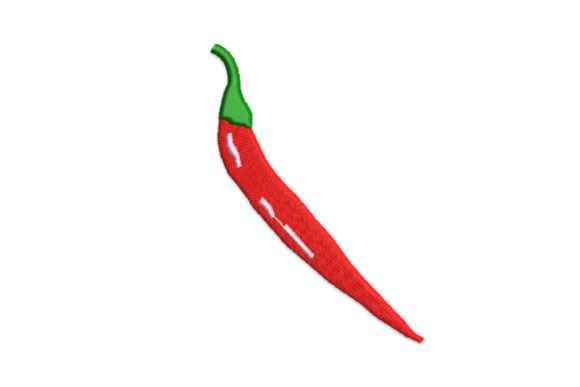
When I first opened the preview of the Chilli Pepper, the immediate reaction was one of playful warmth. It avoids the overly complex, hyper-realistic rendering that often fails on textured fabrics. Instead, it leans into a stylized, friendly aesthetic. The shape is bold enough to be recognizable even at smaller scales, yet it retains just enough curvature to feel organic rather than stiff. This kind of visual personality is exactly what small business owners need when creating handmade products that stand out in a crowded marketplace.
The layout suggests a design built for versatility. It isn't cluttered with unnecessary details that might get lost in a dense fill stitch. Instead, the lines are clean, hinting at a mix of satin stitch for definition and fill for body. For an embroidery project focused on kitchen items or casual wear, this simplicity is a strength. It creates a mood that is inviting and slightly whimsical, perfect for a summer collection or a holiday gift set featuring spicy themes.
Testing the Design in Real-Life Scenarios
To truly understand the value of the Chilli Pepper, I visualized several specific use cases where this design would shine. Imagine preparing a custom embroidered tote bag for a local farmer's market booth. The bright red of the pepper against a natural canvas background would create an instant focal point. The design's clarity ensures that even from a distance, customers can identify the motif, which is crucial for small shop product visibility.
I also considered its application on custom apparel, specifically a heavyweight sweatshirt. In this context, the Chilli Pepper works beautifully as a chest logo or a sleeve accent. The rounded edges of the pepper prevent the harshness that sometimes occurs with sharp geometric shapes on soft, stretchy knit fabrics. For parents looking for baby embroidery, this design offers a fun, gender-neutral option for bibs or onesies, provided the colors are softened slightly to match nursery palettes.
For those running a craft business on platforms like Etsy, the ability to pivot this design across different mediums is key. It transitions seamlessly from a tote bag design to a pillow cover or even a personalized apron for a cooking class giveaway. The finished product maintains a high level of perceived quality because the design does not look "cheap" or pixelated once stitched. This professional finish directly impacts customer trust and can justify a higher price point for your personalized gift offerings.
Navigating Fabric Challenges and Technical Considerations
While the Chilli Pepper is versatile, experienced designers know that no file is universally perfect without adjustments. There are specific situations where caution is required. On thin or highly stretchy fabrics, such as lightweight jersey or silk, the density of the stitches could cause puckering if the wrong stabilizer is used. Always test the design on scrap fabric first to ensure the tension holds up without distorting the garment.
Dark fabrics present another consideration. While the design pops on light backgrounds, stitching a red pepper on black denim requires careful selection of thread colors to maintain contrast. You may need to adjust the outline color to a lighter shade or add a layer of underlay to prevent the dark fabric from showing through the gaps in the running stitch.
Curved surfaces, like baseball caps, demand attention to detail. The bottom curve of the pepper needs to sit flat against the cap panel. If the hoop size is too small for the cap attachment, the design might distort. Always confirm that the hoop accommodates the full width of the embroidery file before committing to the final run. Additionally, if you plan to use this as an embroidered patch, ensure the backing is sturdy enough to withstand frequent washing, especially for items like kitchen towels or baby clothes.
Practical Designer Notes for Success
- Test Stitch Density: Even though the design looks balanced digitally, always run a test on the actual fabric type you intend to use. Adjustments to pull compensation might be necessary for textured materials like fleece or linen.
- Check Color Contrast: For commercial embroidery, verify that the thread colors chosen will remain vibrant after multiple washes. Faded threads can ruin the appeal of a holiday embroidery item intended as a keepsake.
- Mockup Verification: Create printable mockups in both black and white to assess the silhouette. If the shape loses definition without color, you may need to reinforce the outlines in your machine settings.
- Licensing Check: Before selling finished items or reselling the digital embroidery file, confirm the licensing terms. Many designs allow for personal use but require a commercial license for Etsy seller listings or bulk production.
- Stabilizer Selection: Use a tear-away stabilizer for stable wovens and a cut-away for knits to ensure the Chilli Pepper lays flat and durable over time.
Impact on Brand Consistency and Buyer Engagement
Using a well-crafted design like Chilli Pepper contributes significantly to brand consistency. When your design assets look cohesive and professionally executed, customers perceive your brand as reliable. Whether you are decorating a single sweatshirt embroidery for a friend or producing a line of aprons for a boutique, the quality of the stitch work speaks volumes about your craftsmanship.
This design also enhances buyer engagement by offering a relatable theme. Food-themed embroidery has a timeless appeal, resonating with home cooks, gardeners, and anyone who loves a touch of spice in their decor. By integrating this motif into your product line, you tap into a niche that values both utility and aesthetics. The result is a finished product that feels special and thoughtfully designed, encouraging repeat purchases and positive reviews.
Final Verdict on the Chilli Pepper Design
In conclusion, the Chilli Pepper is a solid addition to any embroiderer's library. It strikes the right balance between charm and technical feasibility, making it suitable for a wide range of applications from boutique branding to personal gifts. While it requires standard precautions regarding fabric choice and stabilization, its overall performance in real-life projects is impressive. For creative entrepreneurs and hobbyists alike, this machine embroidery design offers a reliable way to add a burst of color and character to your next creation. Just remember to test, stabilize, and enjoy the process of bringing this spicy little design to life.