Christmas Family: A Craft Fair Design Review
As the holiday season approaches, my studio transforms into a production hub for the upcoming weekend craft fair. The tables are already being mapped out in my mind, balancing rustic farmhouse vibes with modern elegance to catch the eye of every passerby. This year, I am evaluating a new machine embroidery design titled Christmas Family. Before I commit hours of machine time and fabric costs, I need to know if this design will actually sell as a craft fair product or just sit on the shelf gathering dust. My goal is to turn this digital file into high-quality handmade products that feel premium and irresistible.
First Impressions: The Vibe of Christmas Family
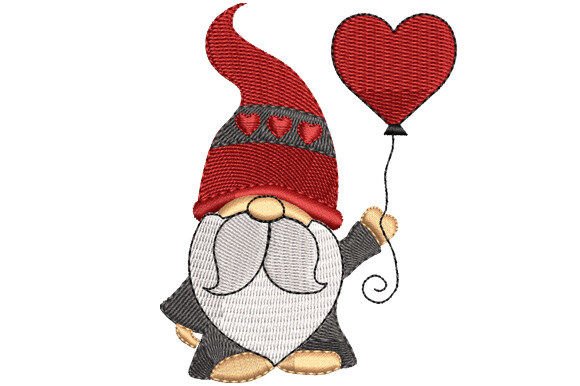
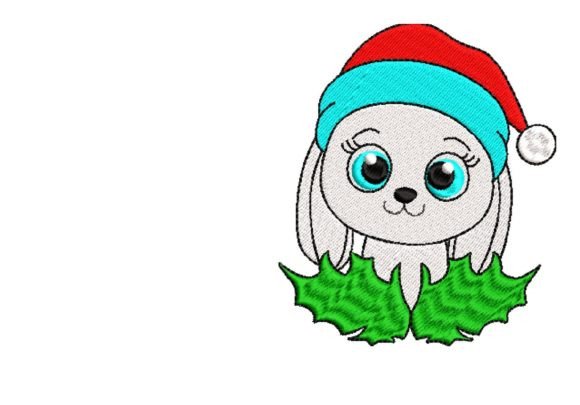
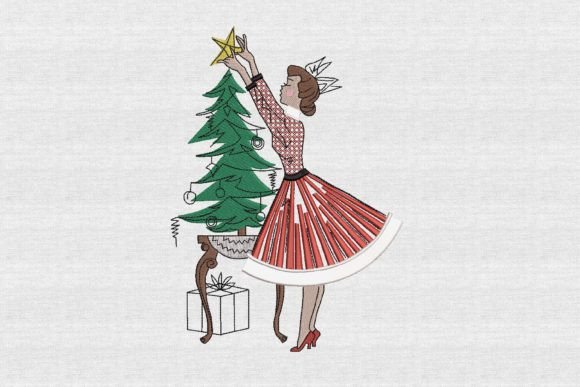
Opening the preview for Christmas Family, the immediate feeling is one of warmth and nostalgia. It doesn't scream "loud commercial," nor does it whisper "minimalist." Instead, it strikes a perfect balance that appeals to the core demographic of holiday shoppers: families looking for sentimental keepsakes. The design feels approachable and cute, yet structured enough to look professional when stitched. For an Etsy seller or boutique maker, this aesthetic is gold. It fits seamlessly into a booth display alongside knitted scarves, ceramic ornaments, and scented candles without clashing.
The title itself suggests a narrative. When customers see Christmas Family on a finished item, they aren't just buying a pattern; they are buying a memory of their own gatherings. This emotional connection is crucial for increasing the perceived value of a small shop product. Unlike generic snowflakes or holly leaves, a family-themed motif invites personalization and storytelling, making it a strong contender for the center of my table display.
Product Versatility: Where Does It Shine?
In the world of commercial embroidery, versatility is key to maximizing profit margins. I tested how Christmas Family translates across various substrates in my mind's eye, simulating the final finished product.
- Tote Bags and Market Bags: As a tote bag design, this works exceptionally well. Placed centrally on a natural canvas tote, it creates a bold statement piece. Shoppers at the craft fair love carrying home their purchases in something festive, and this design turns a simple bag into a reusable holiday accessory.
- Kitchen Textiles: For apron embroidery and tea towel embroidery, the design offers a charming touch. Imagine a baker wearing an apron with this motif while serving samples at the market—it acts as a walking advertisement. On tea towels, it adds a cozy, domestic feel that aligns perfectly with the "gift for the hostess" category.
- Patches and Caps: If the design allows for a dense outline, it could be fantastic as an embroidered patch for denim jackets or hats. However, caps require careful consideration of the curved surface. A flat, wide design might pucker on a small cap panel, so testing is mandatory.
- Pillow Covers and Pouches: These are high-margin items. A large-scale version of Christmas Family on a linen pillow cover elevates the entire room's decor. Smaller versions work beautifully on gift pouches, adding a layer of luxury to small handmade gifts like soaps or jewelry.
Visual Appeal and Booth Display Strategy
When setting up my booth, visual hierarchy is everything. Christmas Family has the potential to be a focal point if displayed correctly. I plan to use printable mockup images on my signage to show customers how the design looks on different fabrics before they even pick up the physical item. This helps bridge the gap between the digital concept and the tangible reality.
The design needs to stand out from a distance. In a crowded market, a customer scans a table in seconds. If the thread colors contrast well against the fabric, the design pops. I am considering using deep reds, forest greens, and metallic golds against cream or navy backgrounds to ensure maximum visibility. This attention-grabbing quality directly impacts buyer engagement. A design that looks "busy" or muddy from three feet away will lose sales, but Christmas Family appears clean and legible, promising a high conversion rate.
Practical Production Notes for Batch Making
Before I start stitching hundreds of units, I must address the technical realities. Even the most beautiful digital embroidery file can fail if not executed correctly. Here is my checklist for ensuring quality control:
- Test on Scrap Fabric: Never skip this step. I will run a test stitch on the exact fabric I intend to use for the final product. This reveals issues with stitch density and registration that a screen preview cannot show.
- Check Thread Contrast: Ensure the thread colors provide enough definition. If the background fabric is too dark, light threads might get lost, and vice versa.
- Review Spacing and Hoop Size: Verify that the hoop size accommodates the design without distorting the edges. Tight spacing can lead to puckering, especially on textured fabrics like towels.
- Inspect Stitch Density: Areas that are too dense can cause the fabric to stiffen or tear. I need to ensure the design flows smoothly without excessive backtracking.
- Use the Right Stabilizer: For items like teal towels or heavy canvas, a cut-away stabilizer is non-negotiable to prevent sinking stitches. For lighter items like pouches, a tear-away might suffice.
- Create Real Mockups: Photos of the actual stitched product sell better than digital renderings. I will create at least one real sample for each product type to photograph for my online listings.
Potential Pitfalls: Careful Use Notes
While Christmas Family looks promising, there are areas where caution is required. If the design includes tiny details or small lettering, these elements may become indistinguishable when scaled down for items like small pouches or patches. In such cases, simplifying the design or enlarging the scale is necessary to maintain clarity.
Texture also plays a significant role. Fabric texture on items like terry cloth towels can hide fine stitches. If the design relies on delicate lines, it might disappear into the loops of the towel. Similarly, curving surfaces like caps can distort straight lines, making text or geometric elements look uneven. Dark fabrics often require more thread layers to achieve opacity, which increases the risk of puckering if the stabilizer isn't adequate.
Licensing and Commercial Viability
Finally, as a business owner, I must confirm the legalities. Before selling any commercial embroidery products, I need to verify the licensing terms of the Christmas Family design assets. Does the license allow me to sell finished goods? Are there limits on the number of items I can produce? Assuming the license permits commercial use, this design represents a low-risk, high-reward opportunity for the holiday season.
In conclusion, Christmas Family is more than just a pattern; it is a strategic asset for any creative entrepreneur. Its ability to evoke emotion, its versatility across multiple product types, and its clear visual appeal make it a standout choice for the holiday market. By following strict production protocols and focusing on high-contrast, high-quality finishes, this design can become a bestseller that drives traffic to my booth and fills my online shop with orders. It is a reminder that in the world of handmade goods, the right design, executed perfectly, is the ultimate selling point.